

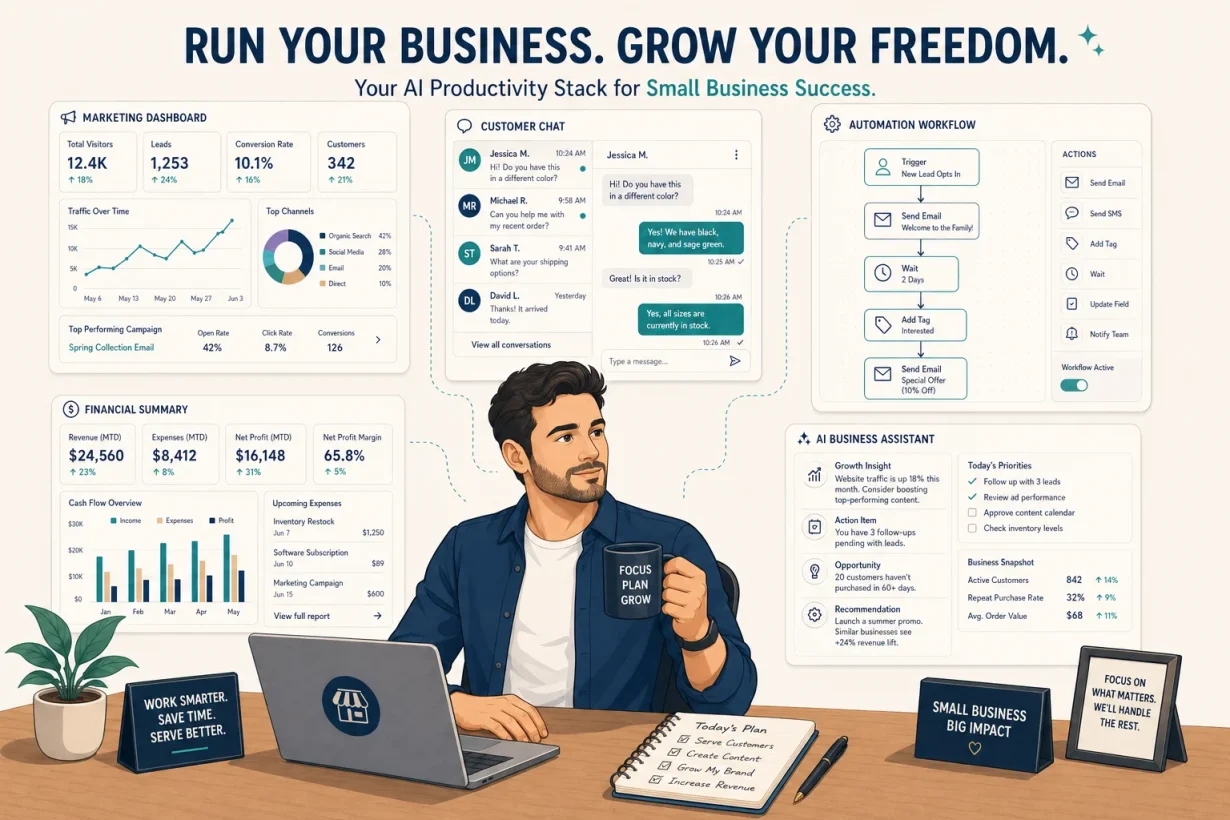

Small business owners are still doing manually what AI handles in minutes. We tested more than 13 platforms against real small business workflows: marketing, customer communication, automation, financial management, and content creation. The gap between small businesses using the best AI tools for small business owners and those still operating without them is no longer a technology gap. It’s a competitive gap. Five tools made the cut.
What Are AI Tools for Small Business Owners?
These aren’t enterprise software platforms scaled down and repackaged. They are lean, accessible teammates that handle the marketing, communication, automation, and analysis work that consumes a small business owner’s day, so you can spend more time on the decisions that actually grow your business.
The distinction matters. A standard business tool helps you manage work you still have to do yourself. The best AI tools for small business owners eliminate entire categories of that work entirely. Your marketing writes itself. Your customer inquiries get answered at 2am. Your workflows run without you touching them. These aren’t just productivity upgrades. They are the team members you can’t afford to hire.
Why Small Business Owners Need AI Tools in 2026
Are you still spending half your day on tasks that don’t require your judgment?
78% of small business owners cite productivity gains as their top reason for using AI, with 58% reporting savings of over 20 hours per month. For a small business owner billing at $50/hour, that’s $1,000 or more in recovered productive capacity every single month from tools that cost a fraction of that.
82% of small business employers have now invested in AI tools, with the average small business using a median of five AI tools across daily functions and workflows. Marketing is the number one entry point, but the small businesses seeing the highest ROI are the ones building full stacks that cover communication, automation, and operations together. The best AI tools for small business owners work as a system, not a collection of disconnected apps.
How We Chose: Our Testing Criteria
- Small business fit: Built or adapted for lean teams with limited technical resources and tight budgets.
- Time saved per week: Measured across real tasks including marketing, customer communication, admin, and content.
- Free plan quality: Genuinely functional for small business use cases, not a demo designed to force an upgrade.
- Affiliate-verified ROI: Tools we would pay for ourselves, with programs we’ve personally vetted.
The 5 Best AI Tools for Small Business Owners in 2026
1. ChatGPT Plus
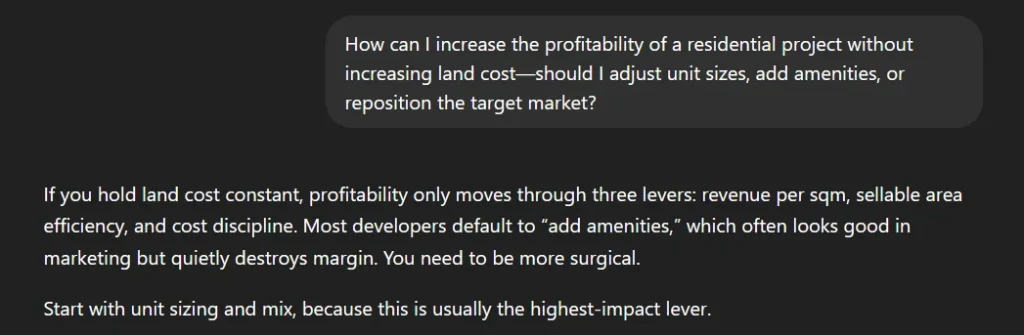
ChatGPT Plus is the most versatile AI tool a small business owner can deploy today. It drafts marketing copy, writes customer emails, prepares pitch decks, analyzes competitors, and helps you think through business decisions: all from a single $20/month subscription. For owners who need a strategist, a copywriter, and a researcher without the hiring budget, it covers all three.
Key features:
- Marketing content generation: Produce social media posts, email campaigns, product descriptions, and blog drafts from a brief in minutes.
- Business strategy conversations: Bring your actual business situation and get reasoned analysis of options, risks, and priorities rather than generic advice.
- Custom GPTs: Build specialized AI assistants trained on your business context, your brand voice, and your recurring workflows.
- Web browsing: Real-time competitor research, market analysis, and trend identification without leaving the interface.
Pros:
- Breadth of coverage, no other tool on this list handles as many small business use cases in a single subscription. From product launch copy to pricing strategy analysis, ChatGPT Plus covers the full thinking and communication layer of running a business.
- Custom GPT for brand consistency, small business owners who build a custom GPT trained on their brand voice and business context get output that sounds like them rather than generic AI copy across every format.
Cons:
- Requires good prompting, the quality of output depends heavily on the quality of input. Small business owners who invest 30 minutes learning to prompt effectively get dramatically better results than those who don’t.
- No native business tool integration, ChatGPT doesn’t connect to your CRM, your invoicing software, or your calendar automatically. Pair it with Zapier to close that gap.
Pricing:
| Plan | Price | Details |
|---|---|---|
| Free | $0 | Limited daily usage |
| Plus | $20/month | Full GPT-4o, web browsing, Custom GPTs |
| Team | $30/user/month | Shared workspaces |
For small business owners, ChatGPT Plus at $20/month is the highest-ROI starting point on this list. It covers the thinking and communication work that previously required hiring multiple people.
2. Grammarly
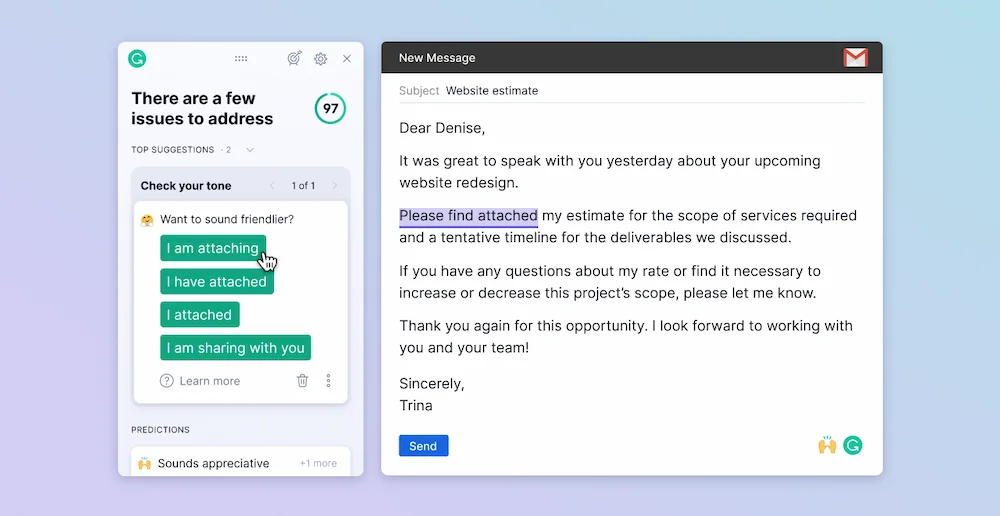
Grammarly is the professional communication layer for every piece of writing a small business produces. It works across email, Google Docs, your website CMS, and social media platforms through a single browser extension, making every piece of written communication as polished as a business with a dedicated copywriter. For small business owners where every client interaction is a brand impression, the confidence it creates before sending is worth more than the time it saves.
Key features:
- Full paragraph rewrites: Restructures sentences for clarity and professionalism, not just grammar corrections.
- Tone detector: Shows how your proposal, email, or social post will land with your intended audience before it goes out.
- Universal integration: Install once and it works across every writing surface you use daily, with no copy-pasting required.
- Plagiarism detection: Available on Premium, useful for small businesses producing content that draws on research and market data.
Pros:
- Professionalism at scale, small business owners sending 20 or 30 client communications per day can’t afford to second-guess every email. Grammarly removes that friction without slowing the output.
- Best price-to-ROI ratio on this list, at $12/month annually, it’s the easiest positive-ROI decision a small business owner can make. Humans second-guess; Grammarly doesn’t.
Cons:
- Not a content creation tool, Grammarly polishes writing you’ve already produced. For drafting from scratch, pair it with ChatGPT Plus for the complete writing workflow.
- Can flatten distinctive brand voice, small business owners with a strong personality-driven communication style should review suggestions selectively rather than accepting them all.
Pricing:
| Plan | Price | Details |
|---|---|---|
| Free | $0 | Grammar, spelling, basic style |
| Premium | $12/month (annual) | Full rewrites, tone, plagiarism |
| Business | $25/user/month | Team features |
Grammarly Free is a genuine starting point for small businesses. Upgrade to Premium when client communication volume makes the paragraph rewrite and tone features worth the $12/month investment.
3. Canva AI
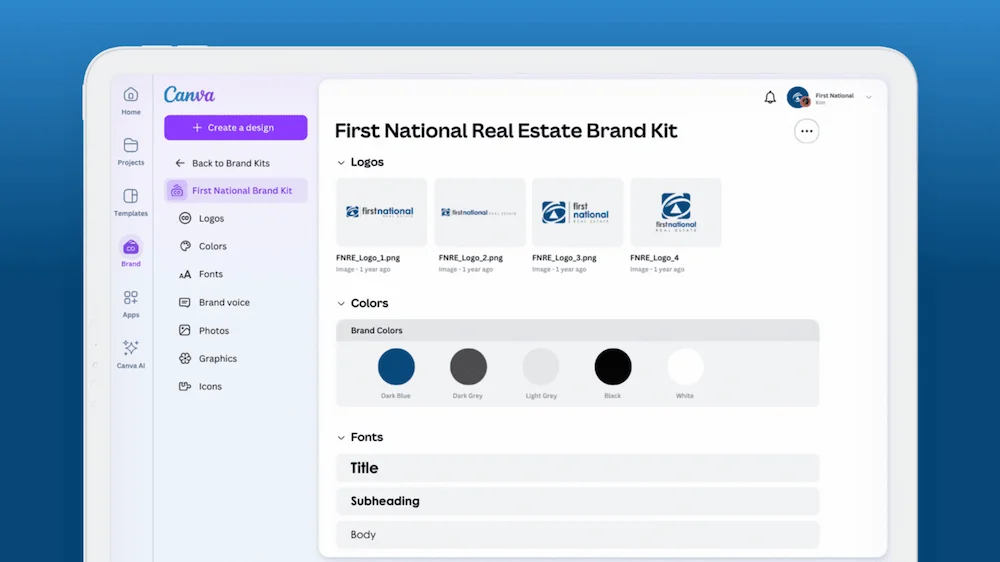
Canva’s AI-powered Magic Studio is the design team a small business owner can’t afford to hire. It generates social media graphics, promotional flyers, email headers, and presentation decks from a text prompt and product photo in seconds, with your brand colors and fonts applied automatically from a stored Brand Kit. For small businesses that previously paid freelance designers for every promotional piece, it changes the economics of marketing entirely.
Key features:
- Magic Studio: Generates on-brand marketing materials from a text prompt and image in seconds, covering social posts, flyers, ads, and email graphics.
- Brand Kit: Stores your logo, colors, and fonts so every piece of output is automatically consistent with your brand without manual setup.
- AI background removal: Cleans up product photos for professional presentations and listings without Photoshop skills.
- Social media scheduler: Creates and schedules posts across platforms directly from the Canva interface.
Pros:
- Zero design skills required, small business owners who’ve been using generic Canva templates or paying for graphic design can produce professional, on-brand materials independently. Canva; no designer needed.
- Brand consistency at volume, a small business posting across Instagram, Facebook, and LinkedIn daily can maintain a professional, consistent visual identity without hiring a social media manager.
Cons:
- AI output requires curation, not every generated design is ready to publish. Treat Canva AI as a strong starting point that still needs a human review before going live.
- Pro required for the features that matter, the Brand Kit and Magic Studio features that make Canva genuinely useful for small business marketing require the Pro subscription at $15/month.
Pricing:
| Plan | Price | Details |
|---|---|---|
| Free | $0 | Basic templates, limited AI |
| Pro | $15/month | Full Magic Studio, Brand Kit, scheduler |
| Teams | $10/user/month | Collaborative brand management |
For small businesses producing marketing content regularly, Canva Pro at $15/month is the most accessible professional design tool available. The Brand Kit alone pays for the subscription in the first week.
4. Zapier
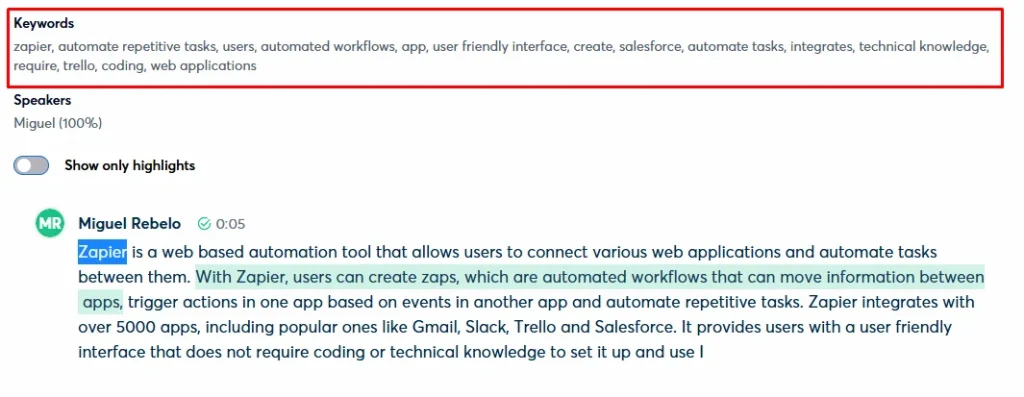
Zapier is the automation infrastructure that runs a small business in the background. When a customer fills out your contact form, Zapier can simultaneously add them to your CRM, send a personalized confirmation email, create a follow-up task, and add a calendar reminder: automatically, without you touching any of it. 56% of small business owners are already using AI for automating routine tasks, representing a 94% increase in automation-focused use over two years. Zapier is where that automation actually happens.
Key features:
- 6,000+ app integrations: Connects every tool a small business uses including CRMs, email platforms, invoicing software, scheduling tools, and payment processors.
- AI Zap builder: Describe your automation in plain English and Zapier builds the workflow, no technical knowledge required.
- Multi-step Zaps with conditional logic: Builds workflows that make decisions based on customer type, inquiry source, or purchase amount rather than just routing data.
- Free tier with real functionality: 100 tasks per month and 5 Zaps covers 2-3 core small business automations before spending anything.
Pros:
- Force multiplier for the full stack, Zapier alone saves minimal time. Zapier connecting ChatGPT, your CRM, and your email platform into a single automated customer workflow saves hours every week.
- No developer required, the AI Zap builder means small business owners can describe what they want in plain English and get a working automation without writing code or hiring technical help.
Cons:
- Task limits on entry plans, small businesses running multiple high-volume automations will exceed the free tier’s 100-task monthly limit quickly. The Professional plan at $19.99/month handles most small business workflows.
- Complex workflows take initial setup time, expect 1-2 hours to configure your first multi-step automation properly. The ongoing time savings far exceed that investment, but the setup friction is real.
Pricing:
| Plan | Price | Details |
|---|---|---|
| Free | $0 | 100 tasks/month, 5 Zaps |
| Professional | $19.99/month | 750 tasks, unlimited Zaps |
| Team | $69/month | 2,000 tasks, collaboration |
Zapier is not a standalone productivity tool. It’s the connective tissue that turns your individual tools into a system that runs your business while you focus on growing it.
5. Notion AI
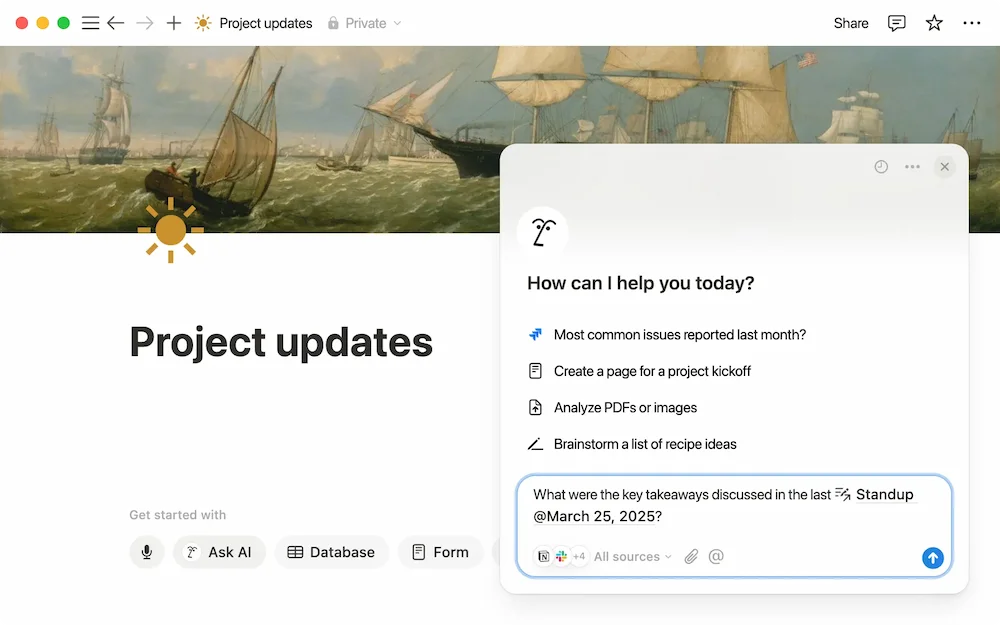
Notion AI is the operations layer of a small business. It doesn’t just store information: it synthesizes it, surfaces it on demand, and turns raw inputs like meeting notes, client briefs, and research into structured outputs like action items, project plans, and SOPs without leaving the workspace you already use. At $10/month as an add-on to any Notion plan including free, it’s the highest-ROI upgrade on this list for small businesses managing multiple projects and clients simultaneously.
Key features:
- Cross-workspace knowledge synthesis: Ask “what did we agree with the client about the Q2 deliverables?” and get a synthesized answer across every relevant page in your workspace.
- Meeting note to action item pipeline: Paste a meeting transcript and get a structured summary with assigned action items in seconds.
- SOP and process documentation: Generate standard operating procedures from bullet-point notes, reducing the time it takes to document and train on business processes.
- Database autofill: Populate project tables, client records, and content calendars from natural language inputs.
Pros:
- Replaces your operations manager, Notion AI connected to a well-structured workspace handles the information management, retrieval, and documentation work that would otherwise require a dedicated hire.
- Compound value over time, the longer you build in Notion, the more powerful the AI layer becomes. It answers questions across years of accumulated business knowledge instantly.
Cons:
- Setup investment required, Notion AI amplifies an existing workspace. Small business owners who haven’t already built a Notion system will need 2-3 weeks of setup before it delivers full value.
- Not the right first tool, if you don’t currently use a knowledge management system, start with ChatGPT Plus and Zapier first. Add Notion AI when operations management becomes the bottleneck.
Pricing:
| Plan | Price | Details |
|---|---|---|
| Free + AI | $10/month | AI on the free Notion plan |
| Plus + AI | $18/month | More blocks and storage |
| Business + AI | $25/user/month | Advanced permissions |
Most small business owners underuse Notion AI by treating it like a writing tool. The actual value is using it as a search and synthesis layer across your entire business: a second brain that remembers everything your team has ever decided.
Which AI Tool Fits Your Small Business Stack?
Product businesses vs. service businesses
Product-based small businesses need tools that compress marketing production and customer communication at volume. The right core stack is ChatGPT Plus for content and copy, Canva AI for visual marketing materials, and Zapier to automate the customer journey from inquiry to purchase confirmation. Service-based businesses need tools that manage client relationships and operations: Notion AI for project and client knowledge management, Grammarly for professional client communication, and ChatGPT Plus for proposal drafting and strategy prep.
Free tools vs. paid tools
You don’t need to spend $100/month to start operating more efficiently as a small business. Grammarly Free, Canva Free, ChatGPT Free, and Zapier Free at 100 tasks per month together cover professional writing, basic marketing materials, AI assistance, and two or three automated workflows at zero cost. The rule is consistent across every business type: don’t upgrade until you’ve genuinely hit the free tier’s ceiling, not because the paid version looks more capable.
Start Growing Your Business Today
The best AI tools for small business owners shouldn’t feel like software you manage between customer calls. They should feel like the team that handles everything operational while you focus on the relationships and decisions that actually move the needle.
Read our complete guide to the best AI productivity tools in 2026 to see how each tool fits into a full business stack.
Frequently Asked Questions
What are the best AI tools for small business owners in 2026?
The best AI tools for small business owners in 2026 are ChatGPT Plus for content, communication, and strategy, Grammarly for professional writing polish, Canva AI for marketing materials and social content, Zapier for workflow automation, and Notion AI for operations and knowledge management.
Are AI tools for small business owners worth the cost?
Yes. 58% of small business owners using AI report saving over 20 hours per month, and 66% report cost savings of between $500 and $2,000 per month. A complete stack covering the five best AI tools for small business owners costs under $70/month at entry tiers. The ROI gap is not subtle.
What are the best free AI tools for small business owners?
The best free AI tools for small business owners are Grammarly Free for professional writing, Canva Free for basic marketing materials, ChatGPT Free for general AI assistance and content drafting, and Zapier Free for up to 100 automated tasks per month. Together they cover the core small business workflow at zero cost.
How do the best AI tools for small business owners help with marketing?
ChatGPT Plus drafts social media posts, email campaigns, and product descriptions in minutes. Canva AI generates on-brand visual marketing materials from a product photo and brief automatically. Together they cover the content creation and design layers of small business marketing without requiring specialist skills or freelance spend.
Which of the best AI tools for small business owners helps most with customer communication?
Grammarly is the strongest tool for professional written client communication, covering every surface from email to proposals to social media. ChatGPT Plus handles higher-volume or more complex communication tasks like drafting personalized follow-ups or preparing pitch materials. For automated 24/7 customer inquiry handling, pairing ChatGPT with Zapier creates a lightweight customer response system.
How quickly do AI tools for small business owners show results?
ChatGPT Plus and Grammarly deliver value within hours of setup. Canva Pro is productive from the first template. Zapier delivers full automation value after initial workflow configuration, usually 1-2 hours per core workflow. Notion AI requires 2-3 weeks of workspace setup before delivering its full knowledge synthesis value.